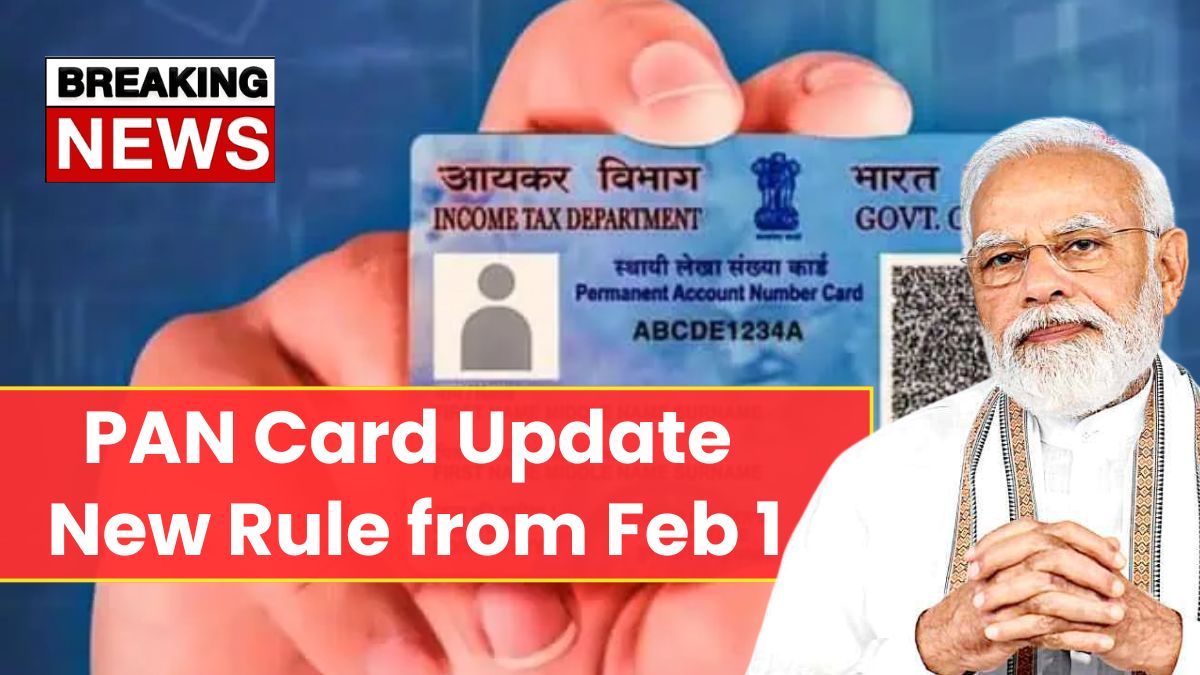
PAN Card Update : The government has announced an important PAN card update that will affect millions of taxpayers across India. Starting February 1, 2026, new rules will come into effect, and it’s crucial for everyone to check their PAN details and make sure they’re compliant. Whether you use your PAN for taxes, bank accounts, investments, or online transactions, staying informed is key. Ignoring these updates could lead to fines, blocked accounts, or delays in essential financial services.
Link PAN With Aadhaar Immediately
From February 1, linking PAN cards with Aadhaar will be mandatory. This ensures proper identification and helps eliminate duplicate or fraudulent PANs. Anyone who fails to link their PAN may find it inactive, which could halt tax filing and other financial activities. The process is simple and can be completed online in just a few minutes. Acting early avoids last-minute rushes and prevents unnecessary penalties from the Income Tax Department.
Update PAN Details Instantly
The government now allows instant online updates to PAN details. You can correct your name, date of birth, address, or other details quickly, without waiting weeks for approval. The official portal guides you through the process step by step, making it easy to update from home. Keeping your PAN details accurate ensures smooth tax filing, account opening, and other financial transactions. Timely updates prevent unnecessary hassles and errors.

PAN Verification Required for New Accounts
Starting February 2026, verified PAN details will be required for opening any new financial account. Banks, insurance companies, mutual funds, and digital payment platforms will ask for PAN verification before approving accounts or transactions. This ensures transparency and reduces fraud. By verifying your PAN early, you can avoid delays when accessing new services. Making sure your PAN is linked to Aadhaar and accurate is essential for smooth financial access.
Penalties for Not Complying
Failure to comply with the new PAN rules can lead to penalties and complications. An unlinked or inactive PAN may result in fines, blocked tax filing, or delays in loans, property purchases, or other financial transactions. The government has stressed the importance of timely action. Acting now will prevent unnecessary legal and financial stress and keep your accounts fully functional and compliant with all regulations.
Seamless Online PAN Application
Applying for a new PAN or updating existing details has become easier than ever. You only need basic documents like Aadhaar, proof of identity, and proof of address. The step-by-step online process makes submission and verification straightforward. Digital systems reduce paperwork, speed up approvals, and provide transparent tracking. Citizens can now manage PAN efficiently from home without visiting government offices, saving both time and effort.

Enhanced Security Features Added
The new PAN card rules also include enhanced security measures. Features like QR codes, digital verification, and secure authentication help prevent misuse or duplication of PANs. You can track the status of your PAN application online safely. These updates make PAN cards more secure, smarter, and in line with India’s push toward digital governance, giving taxpayers better protection for their personal and financial information.
Link PAN for Smooth Tax Filing
Linking your PAN with Aadhaar and keeping details updated ensures a hassle-free tax filing process. Verified records allow the Income Tax Department to process returns faster and with fewer errors. Pre-filled forms, automatic checks, and instant verification make submitting your annual tax returns easier. This digitization reduces mistakes, saves time, and simplifies compliance, giving taxpayers a more seamless experience.
PAN Updates Improve Financial Access
Keeping PAN details current benefits more than just tax compliance. Banks and fintech platforms use PAN verification to approve loans, open accounts, and authorize investments. Accurate PAN information ensures smoother transactions, reduces delays, and improves eligibility for financial services. It also helps track investments, deductions, and financial history over time, making long-term planning more efficient and reliable for both individuals and businesses.

Immediate Steps for Citizens
Citizens should act immediately to comply with the new rules. First, check if your PAN is linked with Aadhaar. Second, review your personal details and correct any errors online. Third, ensure your PAN is verified with banks and other financial institutions. Completing these steps will prevent fines, blocked accounts, and delays in transactions. The government has made the online process simple, so acting now is easy and essential for financial security.
Impact on Digital Transactions
Digital payments, UPI transfers, and online banking also require verified PANs. Many fintech platforms now require PAN verification for higher transaction limits and account approvals. Failing to comply could restrict access to digital wallets, loans, and investment platforms. Updating and linking your PAN ensures uninterrupted access to these services. Following the rules allows you to continue digital transactions safely and without unnecessary complications.
Final Word
The PAN card updates effective February 1, 2026, are a significant step toward better financial transparency and security. Linking PAN with Aadhaar, updating details online, and verifying your status are crucial to keep your financial life running smoothly. These rules simplify tax filing, enhance security, and improve access to financial services. Acting promptly will prevent penalties and delays, giving citizens a safer, faster, and more reliable financial experience.

Disclaimer
This article is intended for general informational purposes only and is based on publicly available information. PAN rules, deadlines, eligibility criteria, and procedures may change following official government notifications. Readers should verify all details through official sources such as government portals, banks, or authorized agencies. The author is not responsible for any errors, omissions, or financial consequences resulting from actions taken based on this article. Always confirm requirements before making financial decisions.