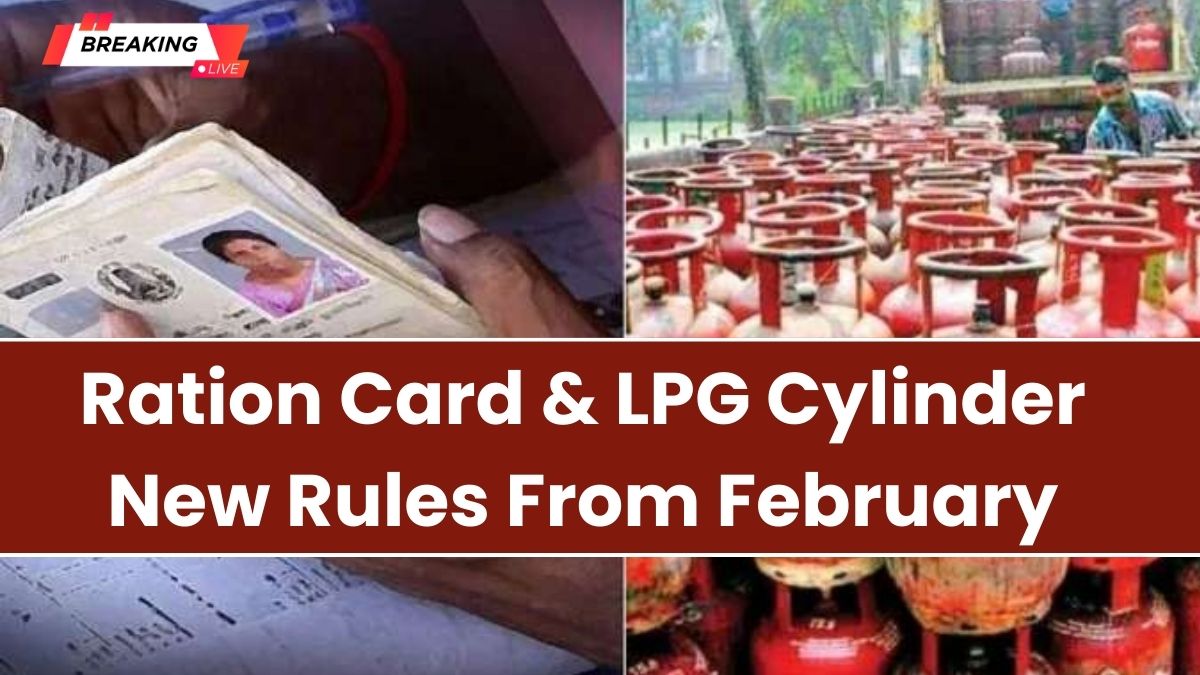
Ration card benefits and Gas cylinder rules : Big updates are coming for households that depend on ration cards and LPG cylinders, and these changes could directly affect your kitchen and monthly budget. Starting January 21, 2026, new rules will reshape how subsidized food grains and gas cylinders are distributed. The aim is to make the system more transparent, reduce misuse, and ensure benefits reach the right families. If your household uses ration supplies or LPG subsidies, this is something you definitely shouldn’t ignore.
Income Limit Expansion Benefits More Families
One of the most important updates is the increase in the annual income limit for ration card eligibility in many states. The new limit of around ₹1.2 lakh means more lower-middle-income families may now qualify for subsidized food grains. With grocery prices going up, this change can be a big relief for households that were previously just above the old limit. It widens support while still keeping the focus on families that genuinely need help.
Digital Verification Now Becomes Compulsory
From January 21, completing e-KYC will no longer be optional for ration card holders. Every listed family member may need to go through digital verification to keep receiving benefits. This step is meant to remove duplicate or fake entries and make sure only genuine households stay in the system. While it may feel like an extra task, it actually helps protect your benefits. Once verified, accessing rations and subsidies should become smoother and more secure.

Aadhaar Linking Is a Must for LPG Subsidy
Another major rule is that LPG subsidies will only be transferred to Aadhaar-linked bank accounts. If your gas connection or bank account is not linked with Aadhaar, you could miss out on subsidy payments. This direct transfer system cuts out middlemen and reduces delays or leakage. It also makes the process more transparent because you can clearly see the subsidy amount credited to your account. Linking Aadhaar is now essential, not just recommended.
Changes in Food Grain Distribution
The quantity of rice and wheat given through ration shops is also being adjusted. The government is trying to balance stock levels and demand more efficiently. The exact amount may vary depending on the state and type of ration card you hold. While some families may notice slight changes in quantity, the main goal is to ensure fair and steady supply for everyone eligible. It’s a good idea to check with your local ration shop about the updated distribution details.
Extra LPG Refills Offer More Support
Families under schemes like Ujjwala may get additional relief in the form of free LPG refills. Reports suggest that eligible households could receive up to two extra free refills in a year. This is a big help, especially for rural and low-income families where cooking fuel costs take up a large part of the budget. More refills also encourage the use of cleaner fuel, reducing dependence on firewood and improving health conditions at home.
यह भी पढ़े:
 Pension Calculation After 15 Years Service Explained for Employees EPFO Pension 2026 Update
Positive Impact on Women in Households
Many ration cards and LPG connections are registered in the name of women, and these changes indirectly strengthen their role in the household. When subsidies go directly into bank accounts linked to their identity, women gain more financial visibility and control. Extra LPG refills also reduce the physical burden of collecting traditional fuels like wood. In many ways, these reforms quietly support women’s dignity, safety, and decision-making power at home.
Rural Areas Get Better Access
Rural families often face more challenges in accessing government benefits, whether due to distance, lack of documents, or limited awareness. The push for digital verification and direct benefit transfer aims to simplify things. Once Aadhaar and bank details are linked, families don’t have to depend as much on local intermediaries. Extra LPG support is especially useful in villages where many households still rely on traditional chulhas. These changes could make welfare delivery more reliable in remote areas.
Transparency and Reduced Leakage
For years, there have been complaints about fake ration cards, duplicate beneficiaries, and subsidy leakage. The 2026 updates are clearly focused on fixing these issues. Digital verification and Aadhaar linking make it harder for ineligible people to misuse the system. At the same time, genuine beneficiaries get a more secure and predictable flow of support. When subsidies go straight into bank accounts and records are digital, there’s less room for corruption and more trust in the system.
यह भी पढ़े:
 Big Relief for Elderly Citizens as Government Introduces New Senior Citizen Card Benefits
Technology Makes the System Faster
Technology is playing a huge role in these reforms. Online databases, biometric verification, and direct transfers mean less paperwork and fewer manual errors. Families won’t have to run from office to office for small corrections as often as before. Once everything is updated digitally, services can be delivered faster and more accurately. For many households, this could mean shorter queues, fewer delays, and less stress when collecting rations or checking subsidy status.
Urban Families Also Feel the Benefits
While rural households are a key focus, city families are not left out. Rising living costs in urban areas have made food and fuel support just as important. The expanded income limits can help lower-middle-income urban families who struggle with rent, school fees, and daily expenses. Digital systems are also easier to use in cities where internet access is better. Direct subsidy transfer ensures that even urban households receive their benefits without unnecessary delays.
How Households Should Prepare Now
The best thing families can do is act early instead of waiting for the last moment. Make sure e-KYC for all ration card members is completed at the nearest center or through official channels if available. Check that your Aadhaar is correctly linked to your bank account and LPG connection. Visit your ration shop or local office to understand any changes in grain quantity. A little preparation now can prevent sudden disruption in food or gas supply later.

These new ration card and LPG rules coming into effect from January 21, 2026, are designed to make the system fairer, cleaner, and more efficient. With expanded income limits, mandatory digital verification, Aadhaar-linked subsidies, revised grain distribution, and possible extra LPG refills, the changes touch everyday life in a big way. Staying informed and completing the required updates on time will help families continue receiving essential support without trouble.
Disclaimer: This article is provided for general informational purposes only and is based on policy announcements, public discussions, and available updates at the time of writing. Specific rules, eligibility conditions, and implementation dates may vary by state and may be revised through official government notifications. Readers are advised to verify details with their local ration office, LPG distributor, or authorized government sources before taking any action or making decisions related to subsidies or benefits.