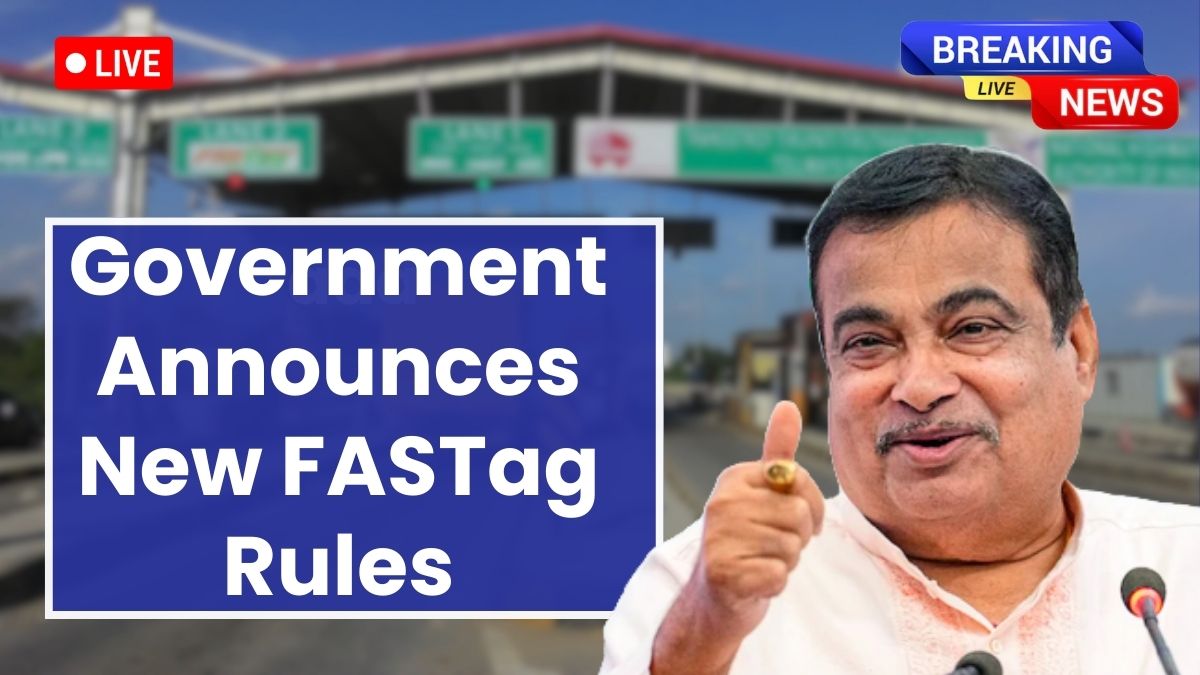
FASTag New Rules 2026 – FASTag has become a permanent part of highway travel in India. In 2026, the rules around it have tightened to ensure smoother toll operations, prevent misuse, and make travel more disciplined. These updates affect everyone—from private car owners to commercial vehicles and daily commuters. Even a small mistake can now lead to penalties or restricted toll access. Understanding the new rules is essential to avoid trouble while traveling on national highways.
Greater Responsibility for Vehicle Owners
Under the new FASTag rules, vehicle owners carry more responsibility than ever. Every vehicle entering a national highway must have a properly installed and active FASTag. Tags that are loose, faded, or wrongly placed may fail scanning and be treated as non-compliant. Toll systems now verify FASTags instantly, reducing manual dependency and speeding up transactions. This change ensures everyone follows the rules while keeping highway travel smooth and efficient.
KYC Compliance Is Mandatory
KYC compliance has become non-negotiable in 2026. FASTags without complete KYC details can be temporarily or permanently deactivated. Vehicle owners must ensure Aadhaar, PAN, and vehicle registration information is accurately linked. This step prevents duplicate FASTags, fake registrations, and unauthorized usage, improving transparency across toll plazas nationwide. Ensuring your FASTag is KYC-compliant is now essential to avoid unexpected deactivation or fines.

Double Toll Penalty Explained
One of the strictest changes is the enforcement of double toll penalties. Vehicles entering FASTag lanes without a valid or active tag may be charged twice the normal toll. Repeat violations can lead to additional fines or even FASTag suspension. Automated cameras now detect violations instantly, leaving little room for negotiation at toll booths. Drivers must ensure their FASTag is always valid to avoid hefty charges.
Low Balance Can Cost You
Maintaining sufficient FASTag balance is now critical. A low-balance tag can prevent entry into FASTag lanes or force you to pay extra charges in cash. Alerts are sent to users, but the responsibility remains with the vehicle owner. Automatic recharge options are highly recommended, especially for frequent highway travelers. A well-funded FASTag is no longer optional—it’s essential to avoid delays and penalties.
One Vehicle One FASTag Rule
The one vehicle, one FASTag rule is strictly enforced in 2026. Multiple FASTags linked to the same vehicle are automatically flagged, and extra tags may be blocked. Vehicle owners must close unused FASTags to prevent transaction failures, toll disputes, or unexpected fines. This ensures smoother toll management and fair access for all highway users.
यह भी पढ़े:
 Pension Calculation After 15 Years Service Explained for Employees EPFO Pension 2026 Update
Instant Blacklisting Rules
FASTag blacklisting has become faster and stricter. Tags linked to stolen vehicles, incorrect registrations, or unpaid tolls can be blacklisted nationwide instantly. Once blacklisted, the FASTag cannot be used at any toll plaza until the issue is resolved. This move prevents rule violations and ensures fairness for genuine travelers. Keeping your FASTag in good standing is now more important than ever.
Easier Replacement With Conditions
Replacing damaged or non-functional FASTags is easier in 2026, but intentional misuse is closely monitored. Users can request replacements online through banks or service providers. However, tampering or deliberately damaging a FASTag can attract penalties. Proper installation on the windshield and basic care are necessary to ensure smooth scanning and uninterrupted toll access.
Smarter Toll Technology
FASTag systems now use advanced AI-powered monitoring. Cameras detect lane misuse, tailgating, and mismatched vehicle-tag details. This reduces congestion, speeds up toll collection, and ensures fair charging for all drivers. While this makes highway travel faster for rule-following users, there is zero tolerance for shortcuts or violations. Technology now plays a big role in making toll operations efficient and fair.
यह भी पढ़े:
 Big Relief for Elderly Citizens as Government Introduces New Senior Citizen Card Benefits
Data Security and Transparency
With increased digital transactions, FASTag data safety has also improved. User information, transaction histories, and vehicle data are protected under stricter digital safeguards. Dispute resolution is faster, and transaction records are more transparent than before. These changes increase user confidence and make FASTag a reliable digital solution for toll payments, providing both security and accountability.
Final Word
The FASTag rules in 2026 mark a major step toward discipline, speed, and accountability on Indian highways. While penalties are stricter, the system is more efficient and user-friendly for those who follow the rules. Keeping your FASTag active, KYC-compliant, and properly funded is key to smooth highway travel. FASTag is no longer just a sticker—it’s a responsibility that ensures safer, faster, and fairer journeys for everyone.
Disclaimer

This article is for informational purposes only. FASTag rules, KYC requirements, and penalty charges may change according to Indian government and NHAI updates. Readers should always check official sources before making travel or payment decisions. The information here does not constitute legal or financial advice, and users are responsible for verifying their FASTag status and compliance to avoid fines, penalties, or travel disruptions.