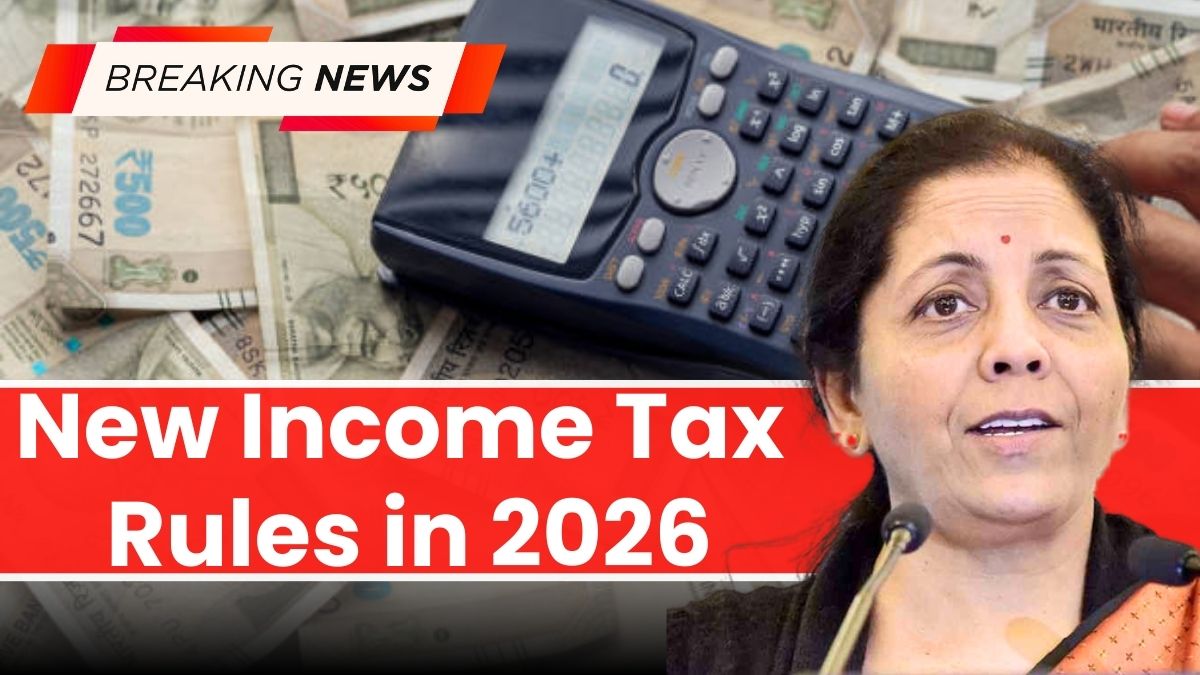
New Income Tax Rules : Money matters can feel complicated, but tax rules are getting a refresh in 2026, and it’s something almost every earning individual should keep an eye on. Whether you’re a salaried employee, freelancer, business owner, or pensioner, these updates could affect how much tax you pay and how you plan your savings. The overall idea behind the changes is simple: make the system easier to understand, reduce confusion around deductions, and encourage more people to move toward the newer tax regime.
Why Income Tax Rules Are Being Reworked
The government isn’t changing tax rules just for the sake of it. Over the past few years, incomes have gone up for many people, living costs have increased, and more financial transactions are now tracked digitally. Because of this, policymakers feel it’s time to adjust the tax structure so it reflects today’s economic reality. The goal is to create a system that feels fair, brings more people into the tax net, and reduces the paperwork and guesswork that taxpayers usually struggle with.
Expected Changes in Income Tax Slabs
One of the biggest talking points for 2026 is the possible revision of tax slabs, especially under the new tax regime. The newer system is designed to be straightforward, with lower tax rates but fewer deductions. There is strong indication that lower and middle-income earners may see some relief through higher basic exemption limits or friendlier slab ranges. At the same time, higher-income groups might see slight adjustments to keep the system balanced and progressive. The old tax regime is likely to stay, but the push toward the simplified new regime is clearly growing stronger.

Old vs New Tax Regime Choice
Taxpayers may still get to choose between the old and new regimes in 2026, but the decision might become trickier. The old regime works well for people who actively invest in tax-saving options and claim multiple deductions. The new regime, on the other hand, suits those who prefer lower tax rates without having to track investments and bills all year. With possible slab tweaks coming in, more people may find that the new regime offers similar or better benefits without the stress of managing several deductions.
Deductions That Still Matter in 2026
Even though the new tax regime reduces the importance of deductions, they are far from irrelevant. For those sticking with the old regime, popular deductions linked to long-term savings, insurance, and retirement planning are still important tools. Health insurance premiums, pension contributions, and certain government-backed savings schemes continue to help lower taxable income. However, the real task for taxpayers will be comparing the tax saved through deductions versus the benefit of lower rates under the new regime. What worked five years ago may not be the best choice in 2026.
Standard Deduction and Salary Benefits
Salaried individuals always look forward to the standard deduction, as it directly reduces taxable salary without any paperwork. There is growing discussion about revising this deduction to better match current living expenses and inflation. If that happens, it could bring noticeable relief to middle-class employees. Apart from this, allowances and perks provided by employers may also see clearer tax treatment, which can help reduce confusion during filing and limit disputes over what is taxable and what is not.
यह भी पढ़े:
 Pension Calculation After 15 Years Service Explained for Employees EPFO Pension 2026 Update
Impact on Middle-Class Taxpayers
Middle-income earners are likely to be the biggest focus of the 2026 tax updates. This group forms a large portion of the taxpayer base and often feels the pressure of rising household costs, education expenses, and home loans. By adjusting slabs and simplifying compliance, the government aims to leave more money in their hands while still ensuring steady tax collection. Easier filing systems and fewer complicated rules may also reduce the need for professional help for basic returns.
What It Means for Senior Citizens
Senior citizens and pensioners are another group that policymakers are paying attention to. Many retirees depend on pension income and interest from savings, and healthcare costs tend to rise with age. Tax relief on these income sources remains an important topic. Simpler filing processes and fewer notices or disputes can also make a big difference for older taxpayers who may not be comfortable with complex online systems. The overall direction suggests a more supportive approach toward seniors.
Simplified Compliance and Digital Push
Another major theme for 2026 is making tax compliance smoother through technology. Online filing systems are getting better, and pre-filled return forms are becoming more detailed. This means less manual entry and fewer chances of making mistakes. The tax department is also focusing on transparency, so mismatches in income reporting can be identified early. While this may sound strict, it actually helps honest taxpayers avoid future notices and penalties by catching errors quickly.
यह भी पढ़े:
 Big Relief for Elderly Citizens as Government Introduces New Senior Citizen Card Benefits
How Taxpayers Should Prepare
Instead of waiting for the last minute, taxpayers should start reviewing their financial habits now. It’s a good time to understand how both tax regimes work and estimate which one suits your income and spending style. Keeping records of income, investments, and insurance policies organized can save a lot of stress later. Using official tax calculators, once updated, can also help in making better decisions. The key is to stay flexible and not assume that last year’s strategy will automatically work in 2026.
Planning Investments with Tax in Mind
Tax planning should go hand in hand with financial planning, not replace it. People often invest just to save tax, without checking if the product actually suits their long-term goals. With the growing importance of the new tax regime, the focus may slowly shift from “save tax first” to “grow money wisely first.” This means choosing investments based on returns, safety, and goals, and then seeing how they fit into your tax situation, rather than the other way around.
Final Thoughts on the 2026 Tax Changes
The 2026 income tax updates point toward a system that is cleaner, more digital, and easier to manage. While slab changes and deduction rules may shift the numbers slightly, the bigger story is about simplification. Taxpayers who stay informed, compare both regimes carefully, and align their tax strategy with their financial goals will be in a much better position. A little planning now can prevent confusion, missed benefits, and last-minute panic later.

Disclaimer: This article is intended for general informational purposes only and is based on policy discussions, recent budget patterns, and publicly available guidance at the time of writing. Income tax laws, slabs, and deductions may change through official announcements, amendments, or notifications. Readers should not treat this as professional tax advice and are strongly encouraged to consult a qualified tax consultant or refer to official government sources before making financial or investment decisions.