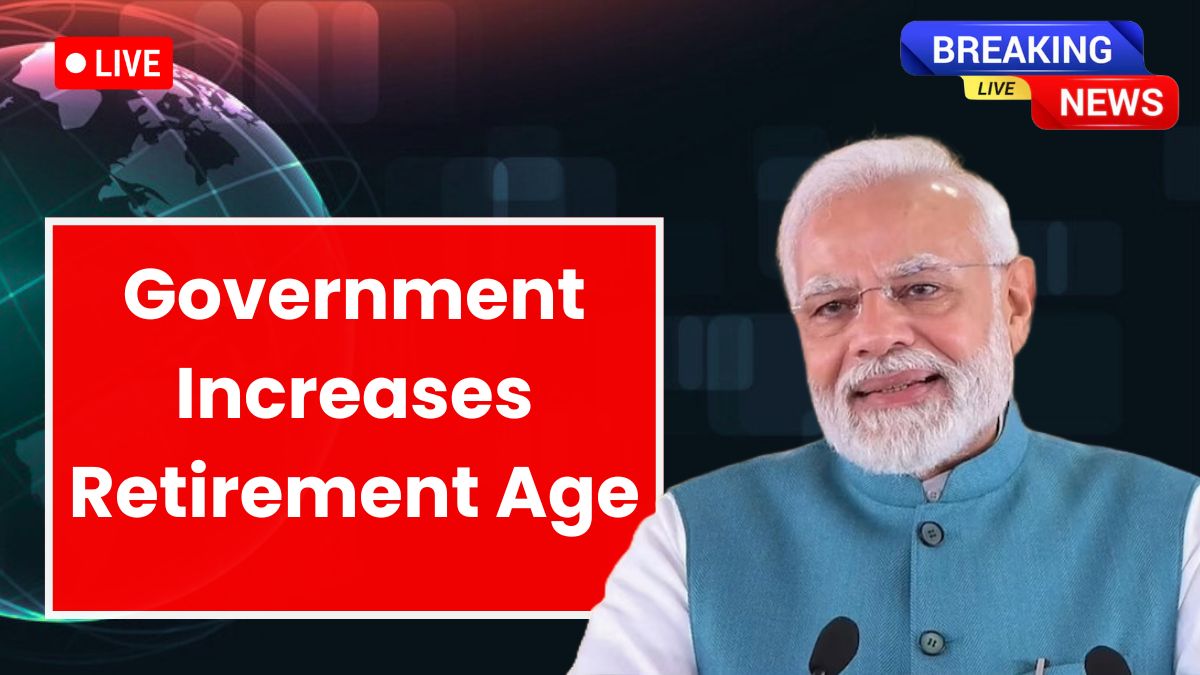
New Retirement Age Rules – Retirement age is back in everyday conversations, and not just in government offices. In 2026, employees across sectors are wondering if they might have to work a few more years than they originally planned. The discussion is linked to longer life expectancy, better healthcare, and increasing financial pressure on pension systems. Even though no final decision may be in place yet, the debate itself is already making people rethink their future plans.
Why the Government Is Rethinking Retirement Age
India today is very different from a few decades ago when most retirement policies were designed. People are living longer and staying active well into their sixties. At the same time, the number of retired people is growing faster than the number of young workers entering the workforce. This creates financial pressure on pension systems, especially government pensions. Policymakers believe that increasing the retirement age could help balance this gap while keeping experienced workers in important roles.
How Current Retirement Rules Work
Right now, most central government employees retire at the age of 60. Many state governments follow the same rule, though some roles may have slight differences. Public sector companies usually stick to similar age limits. In the private sector, retirement age depends on company policy. Some organizations set it at 58, others at 60, and many offer extensions based on performance. Any major change is more likely to begin with government jobs before spreading elsewhere.

What It Means for Salary and Career Length
If the retirement age goes up, employees will earn a regular salary for more years. That sounds like good news, especially with rising living costs and medical expenses. However, it can also slow down promotions because senior positions stay occupied longer. Younger employees might have to wait more time to move up. Companies and departments will need to manage this balance carefully so that career growth doesn’t completely stall.
Longer Service Can Strengthen Retirement Savings
Working a few extra years can actually improve financial security after retirement. More years of salary mean more contributions to provident funds, gratuity, and pension calculations. For those in contribution-based schemes, a longer investment period allows savings to grow more through compounding. This could make a noticeable difference in monthly income after retirement, especially for middle-income employees who depend heavily on these benefits.
Impact on Pension Systems
Pension amounts are often linked to years of service and last drawn salary. So, if retirement is delayed, pensions may increase. This helps retirees manage daily expenses more comfortably. At the same time, governments also reduce the number of years they have to pay pensions, which eases pressure on public finances. That’s one reason why this idea keeps coming back into discussion. Still, any change would need clear rules so employees know exactly how their benefits will be calculated.
यह भी पढ़े:
 Pension Calculation After 15 Years Service Explained for Employees EPFO Pension 2026 Update
Concerns About Jobs for Young People
One major worry is that raising the retirement age could reduce job openings for young people. Every year, millions enter the job market, and fewer retirements could slow recruitment. Critics say this might increase unemployment or delay fresh talent from entering the system. Supporters argue that experienced employees help organizations grow, train juniors, and improve overall productivity. If the economy expands, they believe job opportunities can still increase alongside longer careers.
Health and Work-Life Balance Questions
Not everyone is excited about working longer. Some employees, especially in physically demanding jobs, worry about health and energy levels. Others feel they have already given decades to their careers and want time for family, travel, or personal interests. Extending retirement age may not suit everyone equally. That’s why experts say flexible options, like voluntary retirement or phased retirement, could become more important in the future.
Workplace Reactions Are Mixed
Reactions to the retirement age discussion are very divided. Some people welcome the chance to earn longer and boost their pension. Others feel tired and want a clear end to their working years. Younger staff often worry about slower promotions, while senior employees may feel relieved about extended job security. These mixed feelings show that retirement is not just a policy issue — it is deeply personal and affects every family differently.
यह भी पढ़े:
 Big Relief for Elderly Citizens as Government Introduces New Senior Citizen Card Benefits
Disclaimer: This article is for general informational purposes only and is based on discussions, trends, and publicly available insights as of 2026. No confirmed government order may have been issued regarding retirement age changes at the time of writing. Readers should verify details through official government notifications, employer circulars, or authorized sources before making any career, financial, or retirement-related decisions.