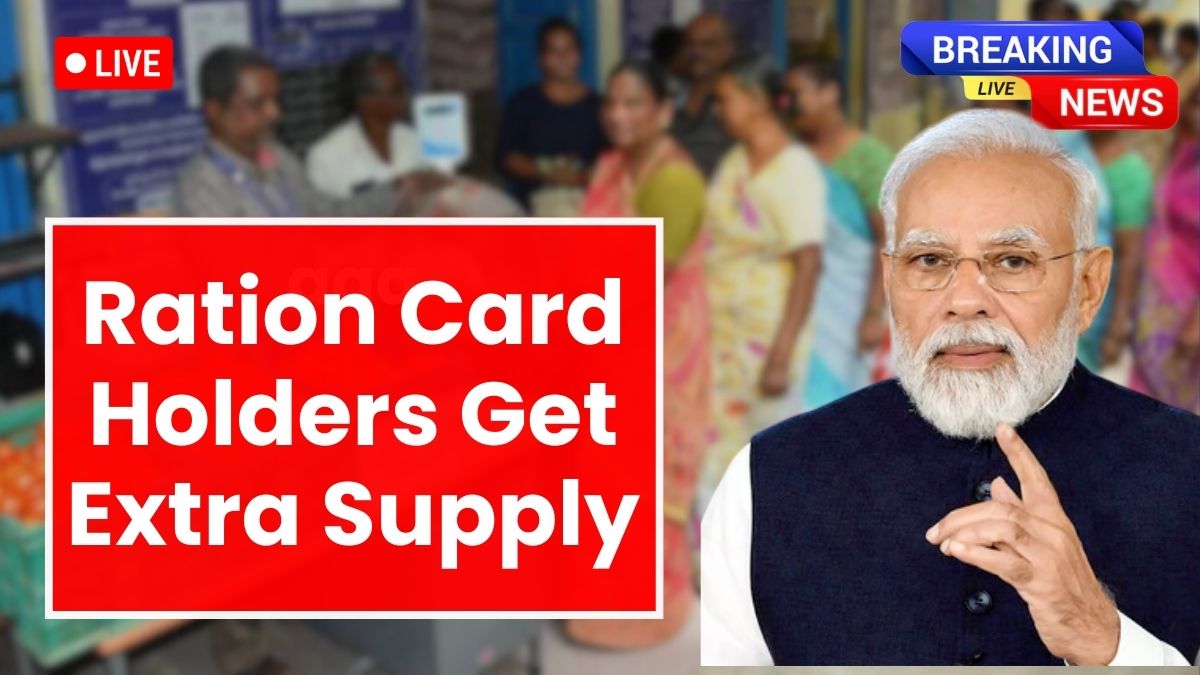
Ration Card New Rules 2026 : There’s some genuinely good news for millions of low-income and middle-class families across India. The government has introduced new ration card rules that will change how food grains are distributed through the Public Distribution System (PDS). Under this new system, eligible beneficiaries will now receive three months’ worth of ration in one go. For families who stand in long queues every single month, this feels like a huge relief. It saves time, effort, and repeated trips to ration shops.
For daily wage workers, elderly people, and those living far from ration shops, this change can make life much easier. Instead of worrying every month about collecting food grains, families can now plan better and focus more on work and home responsibilities. The government’s aim is simple — make ration distribution smoother and more convenient for the people who truly depend on it.
Key Features of the New Ration Distribution System Explained Simply
Under the new rules, eligible ration card holders will receive essential food items like wheat, rice, sugar, pulses, and other approved items in a three-month combined quantity. This means you won’t need to visit the ration shop every month anymore. In a year, you may only need to go about four times instead of twelve.

This move is especially helpful for laborers, elderly citizens, and people with health issues who find it difficult to travel frequently. The government also wants to make sure that no one faces delays in getting food grains. By distributing larger quantities at once, supply management is expected to improve and shortages may reduce.
What Items You Can Expect in the Three-Month Ration Supply
The ration quantity will still be decided per person in the family, just like before — only now it will be given for three months together. For example, if a person is entitled to 5 kg of wheat and 5 kg of rice per month, they may receive 15 kg of each for three months. Similarly, sugar and pulses will also be provided in combined quantities.
The exact items and amounts can vary slightly depending on state rules and availability, but the main idea is that your total share for three months will be handed over at once. This system is designed to remain transparent so that beneficiaries get the full amount they are entitled to.
यह भी पढ़े:
 Pension Calculation After 15 Years Service Explained for Employees EPFO Pension 2026 Update
Who Is Eligible and Which Groups Will Benefit the Most
This update is important for all ration card holders under government food schemes. Families that fall under priority categories will benefit the most. Elderly citizens above 60 years of age will find this system particularly convenient because they won’t need to travel every month. People with disabilities, widows, and those suffering from serious illnesses will also find relief under this system.
Since the number of visits to ration shops will reduce, it also lowers travel costs and physical strain. For people living in remote or rural areas, this can make a real difference in daily life.
How Biometric Technology Will Help Maintain Transparency
To make sure the right people get the ration, the government is using biometric verification systems. This usually means fingerprint or Aadhaar-based identification at the ration shop. The goal is to stop fake ration cards and middlemen from misusing the system.
यह भी पढ़े:
 Big Relief for Elderly Citizens as Government Introduces New Senior Citizen Card Benefits
Digital records will help authorities track how much ration each family receives. Because everything is linked digitally, it becomes harder for corruption or duplication to happen. Aadhaar linking has made the system more secure and ensures benefits reach genuine beneficiaries.
Documents Required and What You Need to Do
To take advantage of these new ration rules, you must have a valid ration card. Your Aadhaar card should also be linked to your ration card. In many places, a registered mobile number and basic identity documents may also be required.
If your Aadhaar is not yet linked, you should visit your nearest ration shop or food department office to complete the process. Biometric verification may be compulsory when collecting ration, so keeping your details updated is important. For official information, beneficiaries can also check their state food department websites or the national food security portal.

Major Benefits for Common People Under This System
The biggest benefit is obvious — fewer trips to the ration shop. This saves time, travel costs, and physical effort. Families can store food grains and plan their monthly meals more easily. Long queues at ration shops may also reduce since people won’t be coming every month.
Another major advantage is during bad weather or emergencies. If a shop remains closed for a few days, families will still have food stock at home. For elderly and sick individuals, not having to stand in line every month is a huge comfort. Overall, this system aims to reduce stress and make food access more reliable.
Digital Complaint System for Faster Problem Solving
The government is also strengthening complaint systems through digital platforms. If a ration card holder does not receive their full ration or faces any issue, they can file a complaint through a toll-free number or an online portal. This makes it easier for people to raise concerns without running from office to office.

State governments have been instructed to monitor the new system closely. Special officers may be appointed at district levels to ensure smooth implementation. The focus is on quick problem resolution and better service delivery.
Future Improvements That May Come Later
Experts believe this step is just the beginning of bigger reforms in the Public Distribution System. In the future, there may be options like home delivery of ration in some areas. A few states are already testing such ideas through pilot projects.
There are also discussions about mobile apps where people can check ration availability, shop timings, and even book collection slots online. These digital steps are meant to make the system more user-friendly and transparent.
यह भी पढ़े:
 Better Healthcare and Travel Savings for Elderly Citizens Through Senior Citizen Card Benefits
Conclusion
The new ration card rules are a big relief for millions of families who depend on government food support. Getting three months of ration together means less hassle, fewer shop visits, and better planning at home. With biometric checks and digital tracking, the system is expected to become more transparent and fair. Eligible beneficiaries should make sure their documents are updated so they can enjoy the full benefits of this new arrangement.
Disclaimer: This article is for general informational purposes only and is based on publicly discussed government policy updates. Actual ration quantities, eligibility rules, and distribution methods may vary by state and local administration. Readers are advised to verify details with their nearest ration shop, official food supply department, or government portal before making any decisions. We do not represent any government body or guarantee scheme benefits.