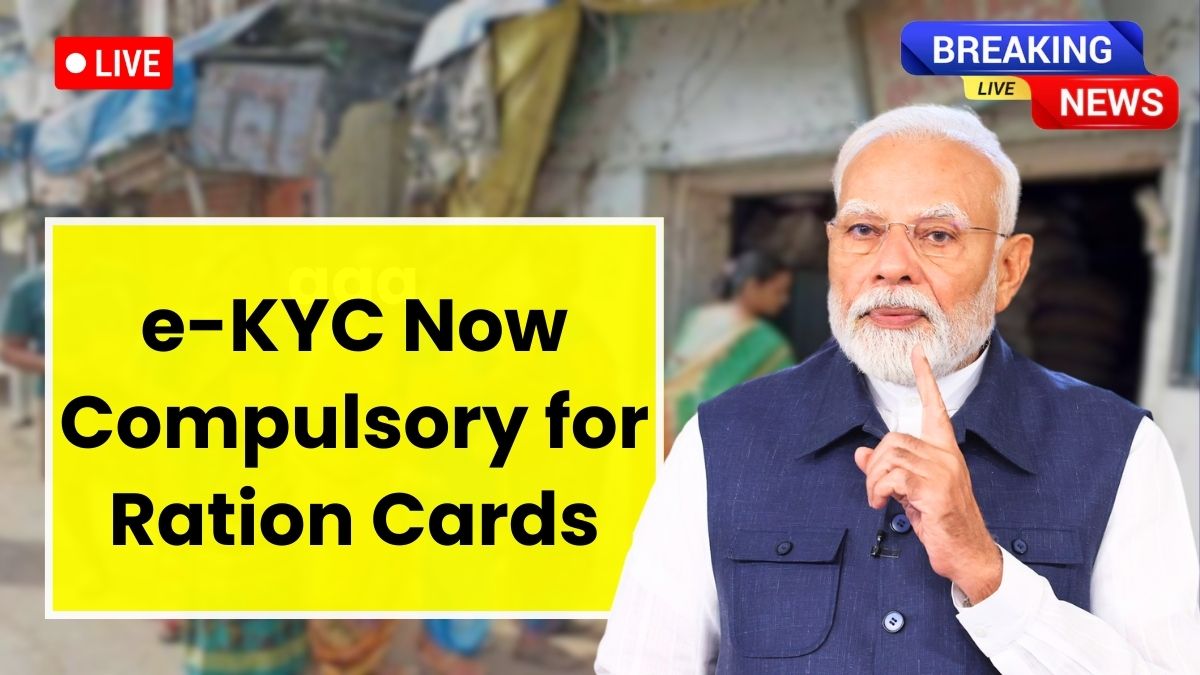
Ration Card Rules : Big changes have arrived for ration card holders in 2026, and they are important for millions of families across India. The government has introduced stricter rules around Aadhaar linking, electronic KYC (e-KYC), and beneficiary verification. The main goal is to make sure food subsidies reach the right people without fraud or duplication. If you or your family depend on ration benefits, understanding these new rules is now more important than ever.
Why Ration Card Rules Were Changed in 2026
Over the years, the ration system has helped crores of families afford basic food grains. But authorities also found problems like duplicate ration cards, fake names, and ineligible people taking benefits. These issues created losses in the public distribution system and reduced support for those who truly needed it. The 2026 reforms are designed to clean up the system using digital tools and centralised records. The idea is not to cut benefits but to make the system more accurate, fair, and transparent.
Aadhaar Linking Becomes More Critical
Aadhaar linking is no longer just recommended — it is now essential. Every family member listed on a ration card must have their Aadhaar number linked to the ration database. This helps the government confirm identities and stop the same person from being registered in multiple places. If Aadhaar details are missing or incorrect, the ration card may be flagged for review. In some cases, benefits could be paused until the information is updated. So, keeping Aadhaar details correctly linked is now a top priority for beneficiaries.

Mandatory e-KYC Explained Simply
Electronic Know Your Customer, or e-KYC, has become compulsory in 2026 for ration card holders. This process verifies a person’s identity using Aadhaar authentication. It can be done online in some states or physically at fair price shops where biometric devices are available. During e-KYC, fingerprints or OTP verification linked to Aadhaar may be used. If a beneficiary does not complete e-KYC within the given deadline, their name may be removed from the active list, and ration supplies can stop. Completing e-KYC on time ensures that benefits continue without interruption.
New Verification and Eligibility Rules
The updated system also checks whether families are still eligible for ration benefits. Government databases are being used to cross-verify income levels, family size, and migration details. If a family’s financial situation has improved significantly, they may be reviewed to see if they still qualify for subsidised food grains. This step is meant to ensure that limited resources are directed toward households that genuinely need support. It may feel strict, but the focus is on fairness and proper use of public funds.
One Nation One Ration Card Integration
The One Nation One Ration Card scheme is getting stronger under the 2026 rules. With Aadhaar-linked and verified ration cards, beneficiaries can collect their food grains from any fair price shop across the country. This is especially helpful for migrant workers who move between states for jobs. However, portability works smoothly only when Aadhaar linking and e-KYC are properly completed. Without verification, beneficiaries may face issues while trying to access rations outside their home state.
यह भी पढ़े:
 Pension Calculation After 15 Years Service Explained for Employees EPFO Pension 2026 Update
Impact on Existing Ration Card Holders
People who already have ration cards should not assume everything is fine automatically. They need to check that all family member details are correct, Aadhaar numbers are properly linked, and mobile numbers are updated. Even small mismatches in spelling, age, or Aadhaar information can cause problems at the ration shop. Updating records early can save families from last-minute stress when ration distribution begins.
Government Oversight and Implementation
These reforms are being carried out under the supervision of the Government of India, along with state food and civil supplies departments. While the central system manages data integration and portability, state governments handle the actual verification and ration distribution. Because procedures can differ slightly from state to state, beneficiaries should always follow official announcements from their local authorities. State portals and ration offices remain the most reliable sources of information.
What Beneficiaries Should Do Immediately
Ration card holders should take action as soon as possible. First, check whether Aadhaar is linked for every family member. Second, complete e-KYC through the official channel available in your state. Third, make sure your mobile number is updated so you can receive alerts and messages. Finally, verify that family details like names, ages, and relationships are correct in the records. Taking these steps early will help avoid suspension or cancellation of benefits later.
यह भी पढ़े:
 Big Relief for Elderly Citizens as Government Introduces New Senior Citizen Card Benefits
Conclusion
The 2026 ration card update marks a big shift toward a more digital and transparent welfare system. With mandatory Aadhaar linking, compulsory e-KYC, and stricter eligibility checks, the government aims to reduce fraud and make sure food subsidies reach the right families. While the new rules may feel like extra work at first, they are meant to create a smoother and fairer system in the long run. Beneficiaries who stay informed and complete verification on time should continue receiving ration benefits without trouble.
Disclaimer: This article is meant for general informational awareness only. Ration card rules, Aadhaar linking requirements, and e-KYC deadlines may differ from state to state and can change based on official government notifications. Readers are strongly advised to confirm details through their respective state food and civil supplies department websites or local ration offices before taking any action. This content should not be considered legal or official advice.